
Feel the Home: Incorporating Haptic Feedback Real Estate Tours

Feel the Home: Incorporating Haptic Feedback Real Estate Tours
Virtual tours have become indispensable in real estate, offering convenience and reach. Yet, a persistent challenge remains: how do you convey the true feel of a home through a screen? The texture of a granite countertop, the warmth of a hardwood floor, or the subtle vibrations of a closing door—these tactile experiences are often lost in purely visual or auditory digital walkthroughs.
Enter haptic feedback. This cutting-edge technology adds the sense of touch to virtual interactions, promising to revolutionize how buyers experience properties online. For real estate agents and marketers, understanding and preparing for haptic feedback real estate tours is not just about adopting new tech; it's about delivering a deeper, more emotional connection to a property.
What is Haptic Feedback in Virtual Real Estate?
Haptic feedback refers to any technology that can simulate the sense of touch. In the context of virtual real estate tours, this means equipping users with devices—such as specialized gloves, suits, or even controller vibrations—that allow them to "feel" virtual elements. Imagine reaching out to touch a virtual wall and feeling its smooth paint, or running your hand over a digital rendering of a rough-hewn beam.
The goal is to bridge the gap between the digital representation and the physical reality, making virtual property exploration significantly more immersive and informative.
The "SENSE" Framework for Immersive Property Experiences
To leverage the power of emerging immersive technologies like haptics, consider the "SENSE" framework:
- Simulate: Actively seek ways to simulate physical attributes beyond sight and sound. Haptic feedback specifically targets tactile simulation.
- Engage: Design tours that invite interaction and exploration, moving beyond passive viewing.
- Navigate: Provide intuitive control that feels natural, enhancing the sense of presence within the virtual space.
- Sell: Focus on how these enhanced experiences translate into stronger buyer interest and confidence.
- Expand: Explore new ways to reach and connect with a wider, more diverse audience through richer digital content.
By focusing on these elements, agents can proactively prepare for and integrate future innovations like haptic feedback.
Why Haptic Feedback Matters for Real Estate Agents
Integrating haptic feedback into real estate tours isn't just a novelty; it offers tangible benefits for both agents and buyers:
- Deeper Immersion: A purely visual tour, even a high-quality one, can feel detached. Adding touch dramatically increases the sense of presence and connection to the space. It moves beyond "seeing" a home to "experiencing" it.
- Enhanced Memorability: Humans remember experiences that engage multiple senses more vividly. A haptic-enhanced tour is more likely to leave a lasting impression on a potential buyer.
- Improved Buyer Qualification: Buyers who have a more complete sensory understanding of a property virtually may arrive at a physical viewing already highly qualified and serious, reducing time spent on tire-kickers.
- Competitive Differentiation: As an early adopter, offering haptic-enabled tours or even just discussing the concept positions you as a forward-thinking, innovative agent in a crowded market.
- Bridging the Distance Gap: For buyers relocating or viewing properties remotely, haptics offers a richer substitute for a physical visit, making cross-country or international transactions smoother.
The future of property marketing is increasingly multisensory. To learn more about engaging all senses, explore our article on Engage All Senses: The Future of Multisensory Virtual Property Tours.
Practical Applications of Haptic Feedback in Property Tours
While still emerging, here are areas where haptic feedback could profoundly impact virtual real estate:
- Material Textures: Allow buyers to feel the difference between granite, marble, quartz countertops, or the grain of different wood flooring. This is crucial for high-end properties where material quality is a key selling point.
- Structural Elements: Simulate the solidity of walls, the smooth glide of a sliding door, or the texture of brickwork and stone facades.
- Environmental Sensations: Though more advanced, imagine subtle vibrations simulating the creak of old floorboards in a historic home, or the gentle reverberation of a heavy door closing.
- Appliance Interaction: Feeling the click of a virtual oven knob, the resistance of a refrigerator door, or the texture of appliance finishes.
These tactile cues add invaluable information that visuals alone cannot convey, helping buyers make more informed decisions. For a deeper dive into creating immersive experiences, consider our guide on Experiential Real Estate Video Marketing: Crafting Immersive Property Experiences.
Implementing Haptic Elements: A Forward-Looking Approach
While full-scale haptic real estate tours require specialized hardware and software, agents can begin to conceptualize and plan:
Haptic Feedback: Pros and Considerations
Like any emerging technology, haptic feedback comes with both significant advantages and practical considerations.
| Aspect | Pros | Considerations |
|---|---|---|
| Immersion | Deepest sensory engagement, highly memorable | High-end hardware required for full effect |
| Engagement | Reduces "screen fatigue," holds attention | Learning curve for users with new devices |
| Differentiation | Positions agents as tech-forward innovators | Early adoption can be costly, limited current options |
| Buyer Insight | More informed decisions, fewer physical visits | Availability of tech to widespread buyer base |
| Development | Opens new creative avenues for property display | Requires specialized 3D scanning and integration |
Actionable Templates for Promoting Immersive Tours
Here are some templates to help you introduce and promote more immersive, even haptic-ready, virtual tours:
Email Subject Line Templates:
60-90 Second Video Script Template (Introducing an Immersive Tour):
Video Title: Experience [Property Address/Neighborhood] – A New Era of Virtual Tours
(Scene: Opening shot of a beautiful property exterior. Transition to interior highlights with smooth cinematic moves – PropertyCine style visuals.)
(Voiceover - Warm, engaging, professional tone):
"Welcome to a new dimension of home viewing. At [Your Company Name], we're redefining how you connect with properties.
(Scene: Quick cuts showing details – kitchen island, flooring, a textured wall. Imply the feeling of these elements.)
"Imagine not just seeing, but feeling the quality of [mention a key material, e.g., granite countertops, hardwood floors]. Our enhanced virtual tours are designed to bring you closer to the property's unique textures and ambiance.
(Scene: Show a buyer (hypothetically) interacting with a tablet or VR headset, looking engaged.)
"We believe a truly informed decision comes from a deeper understanding. These immersive experiences allow you to explore every detail, from the [unique architectural feature] to the [comforting element like a cozy fireplace], giving you a genuine sense of being there, right from your device.
(Scene: Montage of various property features, highlighting desirability.)
"Ready to experience [Property Address] with unprecedented realism? Step into our latest immersive tour and begin your journey to finding your next home.
(Scene: Call to action text on screen: 'Visit [Your Website] for the Full Immersive Tour' or 'Scan QR Code')
"Visit [Your Website/Link] today to explore this property, and many more, with a truly immersive perspective. Your dream home awaits."
(End with company logo and contact info.)
Follow-Up Message Template (Post-Immersive Tour):
Subject: Your Immersive Tour of [Property Address] – What Did You Think?
Hi [Client Name],
Thank you for taking the time to experience our enhanced virtual tour of [Property Address] in [Neighborhood]. We're keen to know your thoughts on this new way to explore properties.
Did the tour help you get a better sense of the [mention a key feature, e.g., material quality, spaciousness]? We're always looking to improve how we present homes.
If you have any questions or would like to discuss [Property Address] further, please don't hesitate to reply to this email or call me directly at [Your Phone Number].
Would you be interested in a physical viewing to confirm your impressions?
Best regards,
[Your Name]
[Your Title]
[Your Company Name]
[Your Website]
Ethical Considerations for Emerging Technologies
As we embrace advanced technologies like haptic feedback, maintaining ethical standards is paramount:
- Set Realistic Expectations: Clearly communicate what the technology can and cannot do. Avoid over-promising the fidelity of the tactile experience.
- Data Privacy: If haptic devices collect user interaction data (e.g., what textures they lingered on), be transparent about data collection and usage in line with privacy regulations.
- Accessibility: Ensure that while embracing new tech, you don't inadvertently exclude buyers who may not have access to specific hardware or who have sensory sensitivities. Offer alternative, comprehensive tour options.
- Authenticity: The goal is to accurately represent the property, not to create a misleading impression. Haptic feedback should enhance realism, not distort it.
FAQ
Q1: What exactly is haptic feedback in real estate tours?
A1: Haptic feedback in real estate tours refers to technology that allows users to experience the sense of touch virtually. This can include vibrations, force feedback, or simulated textures that mimic real-world materials like wood, stone, or fabric, enhancing the realism of a virtual property tour.
Q2: How does haptic feedback enhance virtual property tours?
A2: It adds a crucial sensory layer beyond sight and sound, allowing potential buyers to "feel" the quality of materials, the solidity of structures, and the overall ambiance, leading to a more immersive, memorable, and informative experience.
Q3: What kind of equipment is needed for haptic feedback real estate tours?
A3: Typically, specialized hardware such as haptic gloves, vests, or even full-body suits are used. These devices contain small motors or actuators that generate tactile sensations in response to virtual interactions.
Q4: Is haptic feedback technology for real estate widely available now?
A4: While the underlying haptic technology exists, its widespread integration into consumer-facing real estate tours is still emerging. It's an innovative frontier that leading agents are beginning to explore.
Q5: What are the primary benefits for real estate agents using haptic-enhanced tours?
A5: Agents can differentiate themselves, offer deeply engaging experiences, attract more qualified buyers, reduce the need for initial physical viewings, and cater to remote buyers with greater effectiveness.
Q6: Are there any drawbacks or challenges to incorporating haptic feedback?
A6: Challenges include the cost of specialized hardware, the technical expertise required for content creation and integration, and ensuring widespread accessibility for all potential buyers.
Q7: How can PropertyCine support agents interested in immersive video experiences?
A7: PropertyCine excels at creating high-quality, cinematic property videos from photos, forming a visually stunning foundation for any immersive tour. While haptics are a separate layer, compelling visuals are the first step to a truly engaging experience.
Q8: What does the future hold for haptic feedback in real estate?
A8: As haptic technology becomes more refined and affordable, it's expected to play a significant role in creating hyper-realistic virtual property experiences, further closing the gap between digital exploration and physical presence.
Key Takeaways
- Haptic feedback adds the crucial sense of touch to virtual real estate tours, enhancing immersion.
- It provides a powerful competitive edge and helps qualify serious buyers by offering a deeper property understanding.
- The "SENSE" framework (Simulate, Engage, Navigate, Sell, Expand) guides effective integration of immersive tech.
- While still emerging, agents can prepare by understanding the tech, planning content, and considering ethical implications.
- Clear communication and setting realistic expectations are vital when introducing advanced virtual experiences.
Ready to elevate your property visuals for the future of immersive tours?
Start creating stunning, cinematic property videos today. Learn more about AI-powered real estate video at PropertyCine.
Continue Your Learning
Explore more insights from our real estate marketing blog:
- Engage All Senses: The Future of Multisensory Virtual Property Tours
- Precision Targeting: How AI Video Segmentation Transforms Real Estate Leads
- Investor Property Video Content AI: Data-Driven Decisions for Smarter Real Estate Investments
Ready to transform your property listings? PropertyCine makes it easy to create stunning cinematic videos from your listing photos. Get started free today.

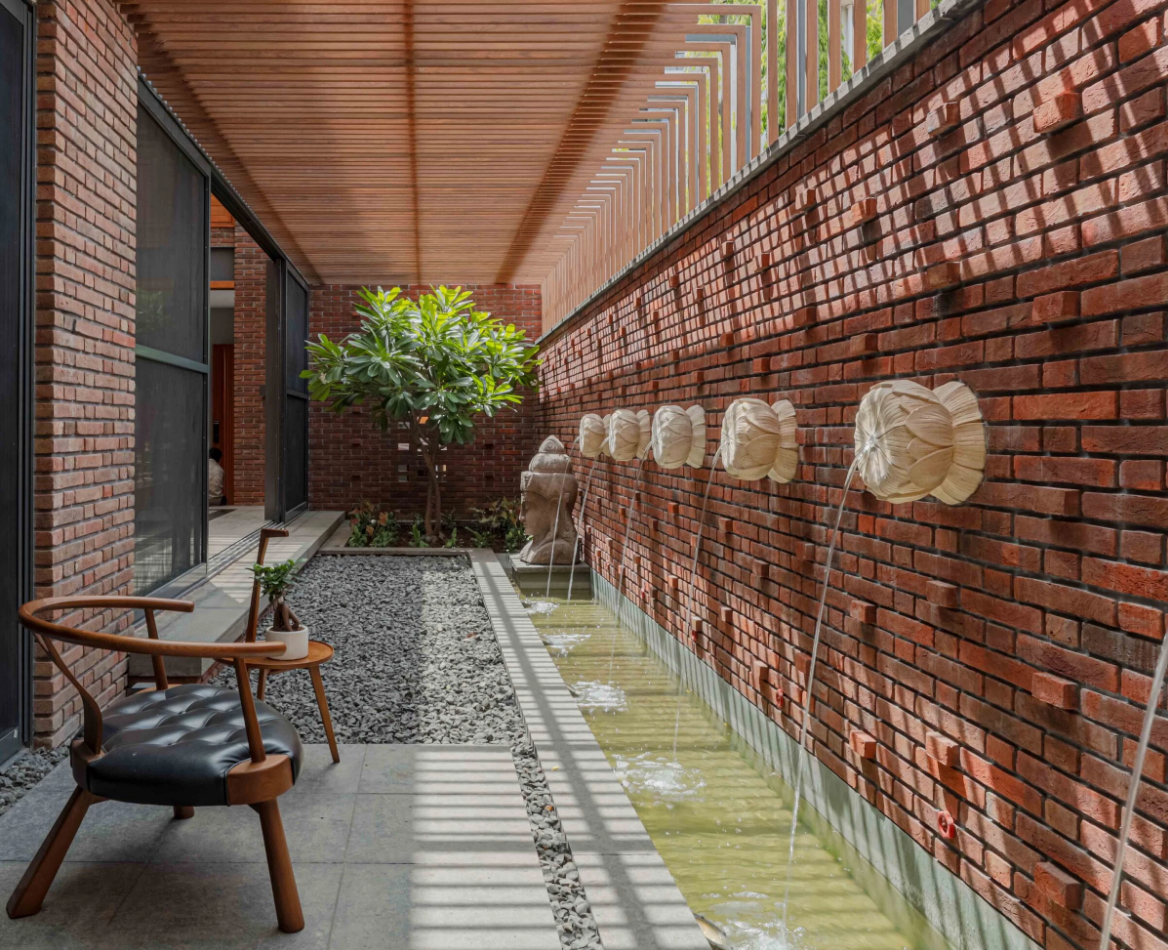
Turn Your Listing Photos Into Stunning Videos
Upload your property photos and our AI creates cinematic videos with natural motion - curtains sway, water ripples, light shifts. Ready in ~5 minutes.
Try Free - No Credit CardContinue Reading
PropertyCine Team
Expert insights on real estate video marketing and AI technology.
Create Stunning Property Videos Today
Transform your listing photos into cinematic videos with AI.
Get Started Free