
Crafting Accessible Real Estate Video Content for Every Buyer
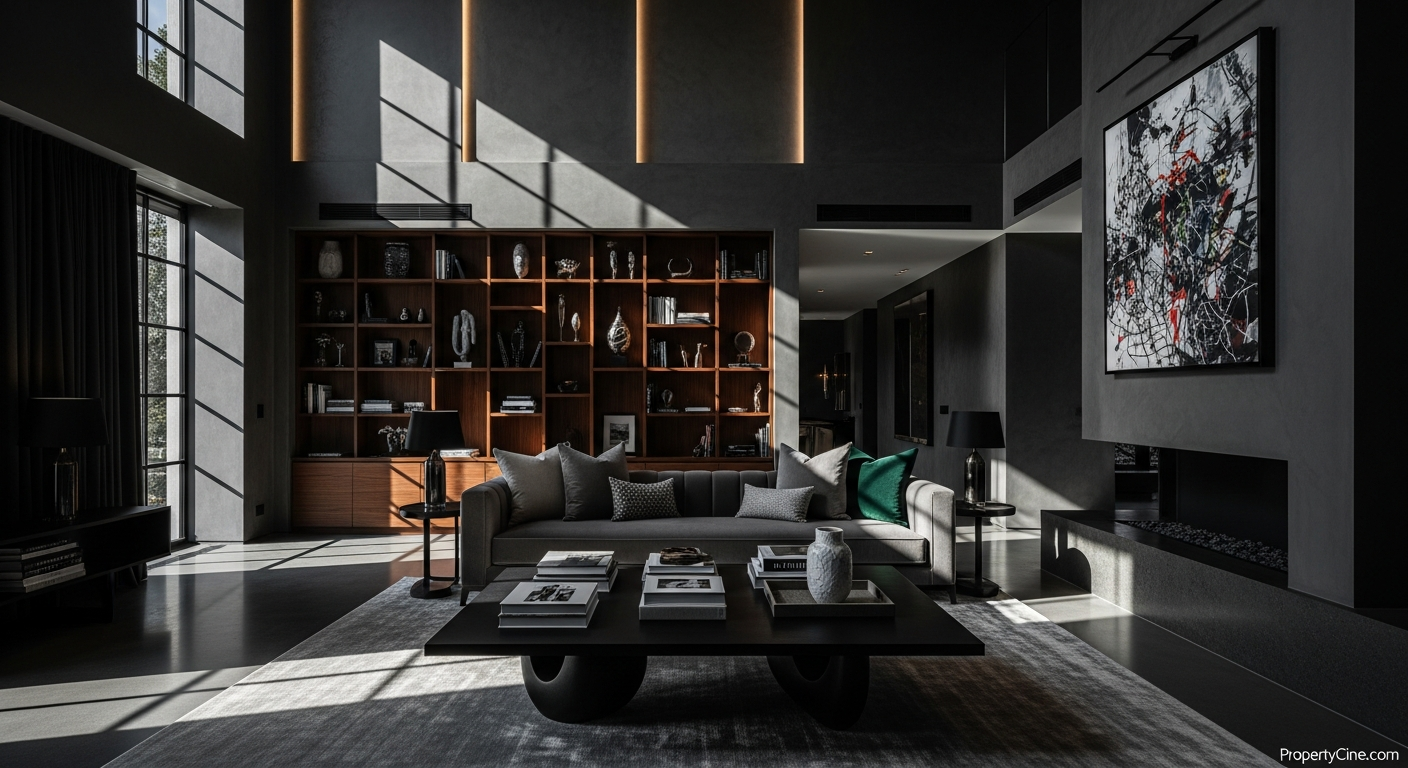
Crafting Accessible Real Estate Video Content for Every Buyer
In today's diverse market, simply creating real estate video content isn't enough. To truly connect with every potential buyer and uphold professional standards, your videos need to be accessible. This means designing them so people with varying abilities – including those with visual, auditory, cognitive, or motor impairments – can understand and engage with your property tours and market updates.
Accessible real estate video content isn't a niche concern; it's a foundational aspect of good marketing. When you make your videos inclusive, you broaden your audience, enhance your brand's reputation, and ensure that valuable property information reaches everyone who needs it. This guide will walk you through practical strategies, frameworks, and templates to help you produce video content that truly welcomes all.
What is Accessible Real Estate Video Content?
Accessible real estate video content refers to videos designed and produced in a way that removes barriers for individuals with disabilities. This includes features like:
* Closed Captions and Transcripts: Essential for viewers who are deaf or hard of hearing, or those who prefer to watch with sound off.
* Audio Descriptions: Narrations that describe key visual information for viewers who are blind or have low vision.
* Clear Visuals and High Contrast: Ensuring text overlays and important visual elements are easy to see for those with color blindness or visual impairments.
* Keyboard Navigation and Controls: For embedded videos, ensuring playback controls are usable without a mouse.
* Simple and Clear Language: Using straightforward terminology to aid comprehension for those with cognitive disabilities or for whom English is a second language.
Implementing these elements transforms a standard listing video into an inclusive experience, opening up your market to a wider, often underserved, demographic.
Why Accessibility Matters: The REACH Framework
Building accessible real estate video content delivers significant benefits beyond mere compliance. It's a strategic move that expands your market influence and strengthens your professional integrity. We've developed The REACH Framework to highlight these critical advantages:
* Reach: Expand your audience significantly by removing barriers. This includes individuals with disabilities, those in noisy environments, or non-native speakers.
* Equity: Provide equal access to information and opportunities. Everyone deserves the chance to explore properties fully.
* Authenticity: Build trust and demonstrate genuine care. Inclusive practices signal a thoughtful, modern, and ethical brand.
* Compliance: Meet legal and ethical standards. Many jurisdictions have regulations regarding digital accessibility (e.g., ADA guidelines). Proactive compliance mitigates risk.
* Humanity: Connect with all individuals on a deeper level. Showing empathy and consideration fosters stronger relationships.
By embracing The REACH Framework, agents can turn accessibility from a checklist item into a core differentiator, attracting more serious inquiries and building lasting client relationships.
Key Principles for Creating Accessible Real Estate Videos
Making your videos accessible involves incorporating specific features and adopting mindful production habits. Here’s how:
#### 1. Prioritize Captions and Transcripts
This is perhaps the most impactful step. Closed captions (which can be turned on/off) and open captions (always visible) ensure your audio content is available in text. A full transcript provides an even more comprehensive text version, useful for SEO and for viewers who prefer to read the entire dialogue.
* How to implement:
* Manual Captioning: Most accurate, but time-consuming.
* AI-Powered Tools: Many platforms, including PropertyCine, offer automated captioning that can be reviewed and edited for accuracy. When discussing Generative Video Production Real Estate: From Script to Screen with AI, consider how AI can streamline caption generation.
* External Services: Professional transcription and captioning services.
* Best Practice: Always review automated captions for accuracy, especially for property-specific terms or local jargon.
#### 2. Incorporate Audio Descriptions for Visual Information
For viewers with visual impairments, a video tour can be challenging. Audio descriptions provide narrative details about what is happening on screen that isn't conveyed through the primary audio.
* When to use: For walkthroughs highlighting architectural details, room layouts, or outdoor features.
* How to implement: Record an additional audio track that describes key visual elements concisely during natural pauses in the primary narration.
* Example: "The spacious living room features large bay windows overlooking a landscaped garden. To the right, a marble fireplace creates a focal point."
#### 3. Ensure Visual Clarity and Contrast
Text overlays, graphics, and property details presented visually must be legible for everyone.
* Font Choice: Use clear, sans-serif fonts at an adequate size.
* Color Contrast: Ensure a high contrast ratio between text and its background. Online contrast checkers can help verify this. Avoid relying solely on color to convey information.
* Simplify Visuals: Avoid overly busy backgrounds or flashing lights that can be distracting or problematic for some viewers.
#### 4. Design for User-Friendly Playback
If you embed videos on your website or social media, ensure the player controls are accessible.
* Keyboard Navigation: Can users play, pause, adjust volume, and enable captions using only keyboard commands?
* Clear Controls: Playback buttons should be intuitive and well-labeled.
* Avoid Autoplay: Autoplaying videos can be disorienting and frustrating for many users, especially those using screen readers.
#### 5. Use Clear, Inclusive Language
The words you use matter. Simple, direct language benefits everyone, including those with cognitive disabilities or non-native English speakers.
* Avoid Jargon: Explain real estate terms if necessary.
* Concise Phrasing: Get to the point quickly.
* Respectful Tone: Ensure your language is welcoming and respectful of all audiences.
Step-by-Step Guide to Implementing Accessibility
Ready to make your real estate videos truly inclusive? Follow these steps:
Choosing Your Accessibility Approach: Manual vs. AI-Assisted
Deciding how to implement accessibility features often comes down to time, budget, and desired accuracy. Here’s a quick comparison:
| Feature/Method | Manual Implementation (e.g., dedicated editor) | AI-Assisted (e.g., PropertyCine) |
|---|---|---|
| Accuracy | Highest (human editor) | High, requires review (AI + human) |
| Time Cost | High | Low (AI generation) |
| Monetary Cost | Higher (professional services) | Lower (platform subscription) |
| Scalability | Limited | High (batch processing) |
| Ideal For | High-stakes, short, critical videos | Volume, efficiency, routine content |
For most agents, a hybrid approach using AI-assisted tools for initial drafts and then manual review and refinement offers the best balance of efficiency and quality. This helps Boost Your ROI: Real Estate Video Conversion Optimization for Higher Leads by expanding your audience effectively.
Actionable Templates for Accessible Video Content
Here are some copy-paste templates to get you started:
#### Email Subject Line Templates (for sharing accessible video tours)
#### 60-90 Second Video Script Template (Accessible Property Tour)
Video Title: Accessible Tour: [Property Address] - [Number] Bed | [Number] Bath in [Neighborhood]
Visuals & Text Overlays: Smooth transition from exterior to interior, clear text for room names.
Audio Description Notes: (Narrator to describe key visual elements where appropriate)
(0-5 seconds) Intro Hook & Exterior
* Visual: Drone shot or smooth pan of exterior, clear street view.
* Text Overlay: [Property Address], [Neighborhood], [City, State]
* Narrator: "Welcome to [Property Address], a charming [House Type, e.g., ranch-style home] nestled in the heart of [Neighborhood]. This thoughtfully designed property offers [Key Feature 1, e.g., a spacious backyard] and [Key Feature 2, e.g., convenient access to local amenities]."
* Audio Description: "Exterior shows a [color] home with a [roof type] roof, a two-car garage, and a neatly manicured front lawn."
(5-30 seconds) Living Area & Kitchen
* Visual: Bright, clear shots of living room and kitchen, highlighting key features.
* Text Overlay: Living Room, Modern Kitchen
* Narrator: "Step inside to the inviting living area, bathed in natural light from [Window Type, e.g., large bay windows]. The open concept flows seamlessly into the modern kitchen, featuring [Kitchen Feature 1, e.g., quartz countertops], [Kitchen Feature 2, e.g., stainless steel appliances], and ample storage space."
* Audio Description: "Interior view of an open-plan living room with light walls and hardwood floors. A comfortable sofa faces a large television. The kitchen features white cabinetry, a central island, and gleaming stainless-steel appliances."
(30-55 seconds) Bedrooms & Bathrooms
* Visual: Showcases bedrooms (master if possible) and a key bathroom.
* Text Overlay: Master Suite, Renovated Bathroom
* Narrator: "This home boasts [Number] comfortable bedrooms, including a serene master suite with [Master Feature, e.g., an en-suite bathroom and walk-in closet]. The [Number] bathrooms have been tastefully updated with [Bathroom Feature, e.g., contemporary fixtures and tilework]."
* Audio Description: "A spacious bedroom with a queen-sized bed, soft lighting, and a window overlooking the garden. The bathroom features a glass-enclosed shower and a modern vanity."
(55-75 seconds) Outdoor Space & Call to Action
* Visual: Highlight backyard, patio, or unique outdoor amenity.
* Text Overlay: Your New Home Awaits!, Contact [Agent Name]
* Narrator: "Outside, discover your private oasis – a [Description, e.g., generously sized patio] perfect for entertaining, surrounded by [Outdoor Feature, e.g., mature landscaping]. This home is more than a residence; it's a lifestyle. To schedule your private showing or learn more, contact us today."
* Audio Description: "A paved patio area with outdoor seating, a barbecue grill, and lush green plants. The camera pans to reveal a spacious, fenced backyard."
(75-90 seconds) Closing
* Visual: Agent contact info.
* Text Overlay: [Agent Name], [Phone Number], [Website], #AccessibleRealEstate
* Narrator: "We're committed to making your home search accessible. Thank you for watching!"
#### Social Media Caption Template (with accessibility focus)
"Explore [Property Address] – our latest listing in [Neighborhood]! We're committed to inclusive marketing, so this video tour includes full captions and detailed visual descriptions to ensure everyone can experience this beautiful home. Swipe up/Link in bio for your accessible tour! #AccessibleRealEstate #InclusiveHomes #[Neighborhood]Living #PropertyTour [Link to Video]"
Ethical Considerations & Compliance
While making videos accessible is good practice, it's also tied to legal and ethical responsibilities. The Americans with Disabilities Act (ADA) often serves as a benchmark for digital accessibility, influencing how websites and digital content are made available. Adhering to Web Content Accessibility Guidelines (WCAG) provides a comprehensive framework for ensuring your content meets global standards. By proactively addressing accessibility, you not only comply with potential regulations but also build a reputation as an ethical and forward-thinking agent.
FAQ
#### Q1: What's the most important first step for making real estate videos accessible?
A1: Adding accurate closed captions or a full transcript is generally the most impactful first step, benefiting a wide range of viewers, including those who are hard of hearing or watching in sound-sensitive environments.
#### Q2: Do I need professional equipment for accessible videos?
A2: No, you can start with a smartphone and basic editing software. The key is implementing the accessibility features (captions, clear audio) correctly, not just having high-end gear.
#### Q3: How do audio descriptions work without making the video too long?
A3: Audio descriptions should be concise and integrated into natural pauses in the primary narration. Focus on describing critical visual information that isn't conveyed through the main audio track.
#### Q4: Are there free tools for adding captions?
A4: Many video editing software (e.g., DaVinci Resolve, CapCut) offer free automatic captioning tools. YouTube also provides automated captioning for uploaded videos, which you can then edit for accuracy.
#### Q5: Will accessible videos help my SEO?
A5: Yes, providing transcripts and accurately captioned videos can significantly boost your SEO. Search engines can crawl text content, meaning your video's transcript can be indexed, increasing its visibility for relevant keywords.
#### Q6: How do I test if my video is truly accessible?
A6: The best way is to watch it yourself with accessibility features turned on (or off, like sound). Use a screen reader if possible. Even better, ask someone who relies on accessibility features to review it and provide feedback.
#### Q7: Should I use open captions or closed captions?
A7: Closed captions are generally preferred as they give viewers the choice to turn them on or off. Open captions are permanently burned into the video and can sometimes obscure important visuals, though they ensure captions are always present.
#### Q8: Can PropertyCine help with video accessibility?
A8: PropertyCine excels at transforming photos into cinematic videos, and many of its features facilitate accessibility, such as providing a clear visual base that can then be easily captioned and described.
Key Takeaways
* Embrace The REACH Framework: Prioritize Reach, Equity, Authenticity, Compliance, and Humanity in your video strategy.
* Start with Captions: Closed captions and transcripts are the easiest and most impactful accessibility features to implement first.
* Think Visually and Aurally: Plan for both clear visuals (contrast, fonts) and descriptive audio for those with visual impairments.
* Leverage Technology: AI-powered tools like PropertyCine can streamline the creation of accessible content, but always review for accuracy.
* It's Good Business: Accessible video content expands your market, enhances your brand, and aligns with ethical and legal standards.
Making your real estate video content accessible isn't just a trend; it's a commitment to inclusivity that resonates deeply with a wider audience. By adopting these practices, you'll not only reach more potential buyers but also build a stronger, more respected brand in the market. Ready to create stunning, accessible property videos that truly connect with everyone?
Ready to transform your listings into inclusive cinematic experiences? Get started with AI-powered real estate video creation at PropertyCine today.
Continue Your Learning
Explore more insights from our real estate marketing blog:
- Generative Video Production Real Estate: From Script to Screen with AI
- Maximize Your ROI: Real Estate Video Performance Analytics Explained
- US Real Estate Digital Twin Property Videos: The Next Frontier
Ready to transform your property listings? PropertyCine makes it easy to create stunning cinematic videos from your listing photos. Get started free today.
Turn Your Listing Photos Into Stunning Videos
Upload your property photos and our AI creates cinematic videos with natural motion - curtains sway, water ripples, light shifts. Ready in ~5 minutes.
Try Free - No Credit CardPropertyCine Team
Expert insights on real estate video marketing and AI technology.
Create Stunning Property Videos Today
Transform your listing photos into cinematic videos with AI.
Get Started Free